Alloshop Fashion content creator tool
Role: Designer, Researcher & Mentor
Services: Service Design, Research · UX/UI, Product Design · Team Coaching
Background
During the COVID-19 pandemic, shopping habits shifted rapidly. Live-stream shopping exploded in popularity across Asia, with startups attracting significant investment. Our mission was to understand the industry landscape, identify emerging opportunities, and validate whether live streaming could become a viable sales channel for independent fashion brands.
Phase 1 – Understanding the Landscape
I began by engaging with startup founders to uncover their core questions:
Do shoppers prefer independent brands over established fashion labels?
Does live streaming video influence purchase decisions?
Who and what shapes shoppers’ buying behaviour?
Validating a Live Shopping App Idea
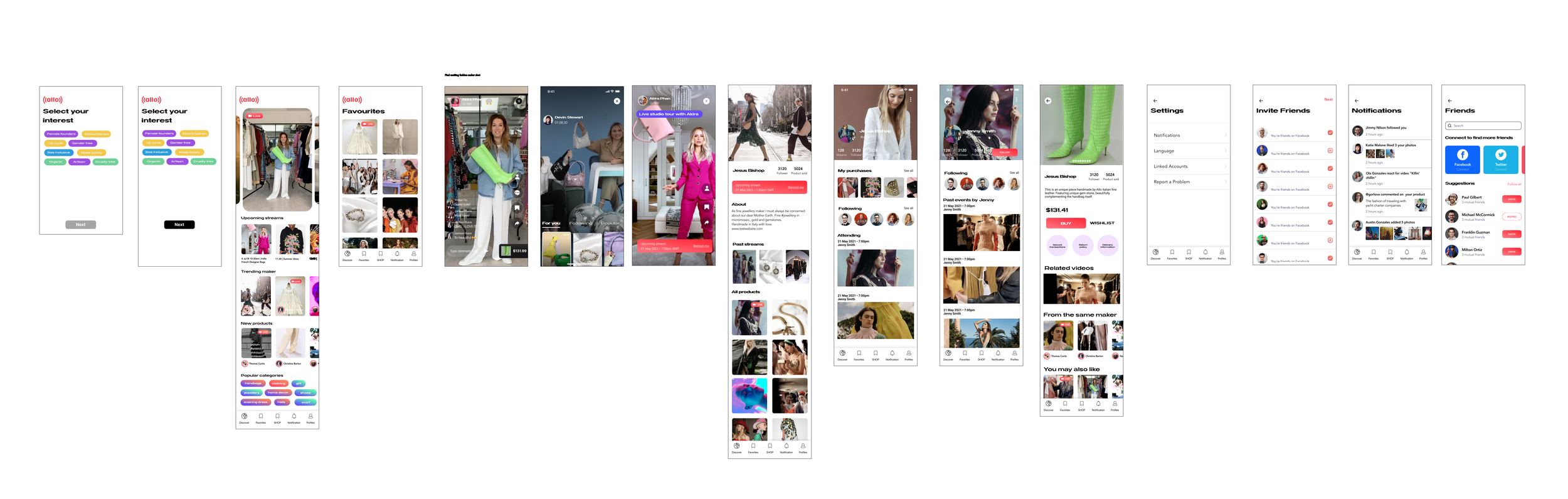
Through early conversations and prototype testing with sellers, buyers, and brand owners, we learned:
There is a growing demand for independent, niche brands.
Live streaming can be influential — but only if the host has trust and credibility with their audience.
Phase 2 – Mapping the Customer Journey
We explored how people shop online, focusing on:
Their best and worst online shopping experiences.
Typical product categories they purchase.
Platforms they use — and why they choose them.
Pain points such as unclear sizing, poor return policies, and lack of real product context.
This helped us pinpoint friction in the discovery-to-purchase journey and clarify where live streaming might — or might not — fit in.
Phase 3 – Validating the live-streaming model
To test the concept, I:
Mentored a UX design team from General Assembly, guiding them in creating a research plan.
Led the collection of insights from 8,000+ survey respondents and in-depth interviews.
Conducted industry analysis on fashion behaviours, preferences, and trends.
We involved a diverse set of subject matter experts, including:
Online shoppers & independent brand owners
Fashion stylists & boutique owners
Content creators & fashion influencers
Over the course of the project, I worked directly with more than 150 fashion content creators, conducted interviews, workshops, concept testing, focus groups, and post-launch usability testing. This gave us deep, first-hand insight into their workflows, challenges, and aspirations.
Phase 4 - Pivot, rethink, redesign
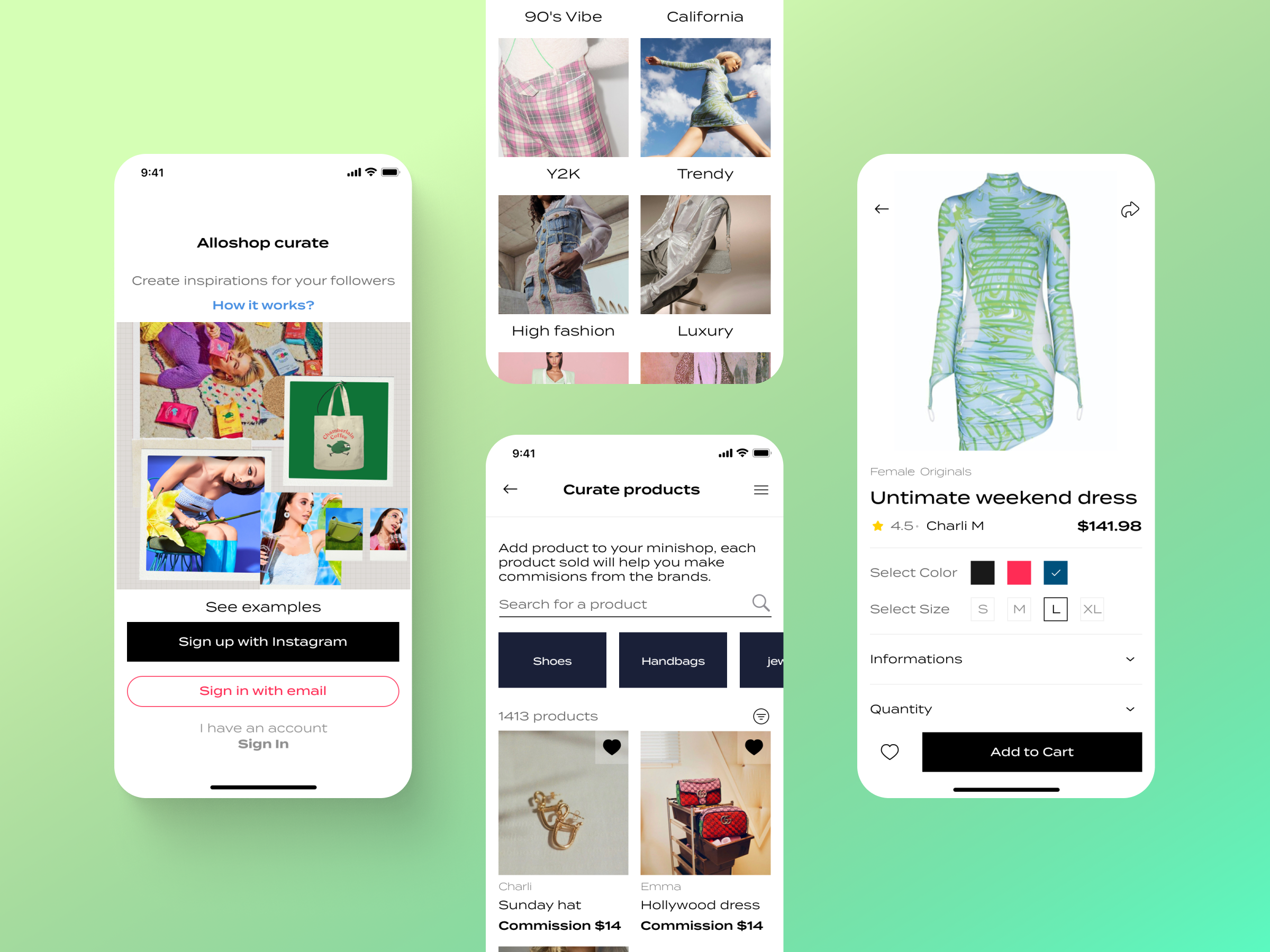
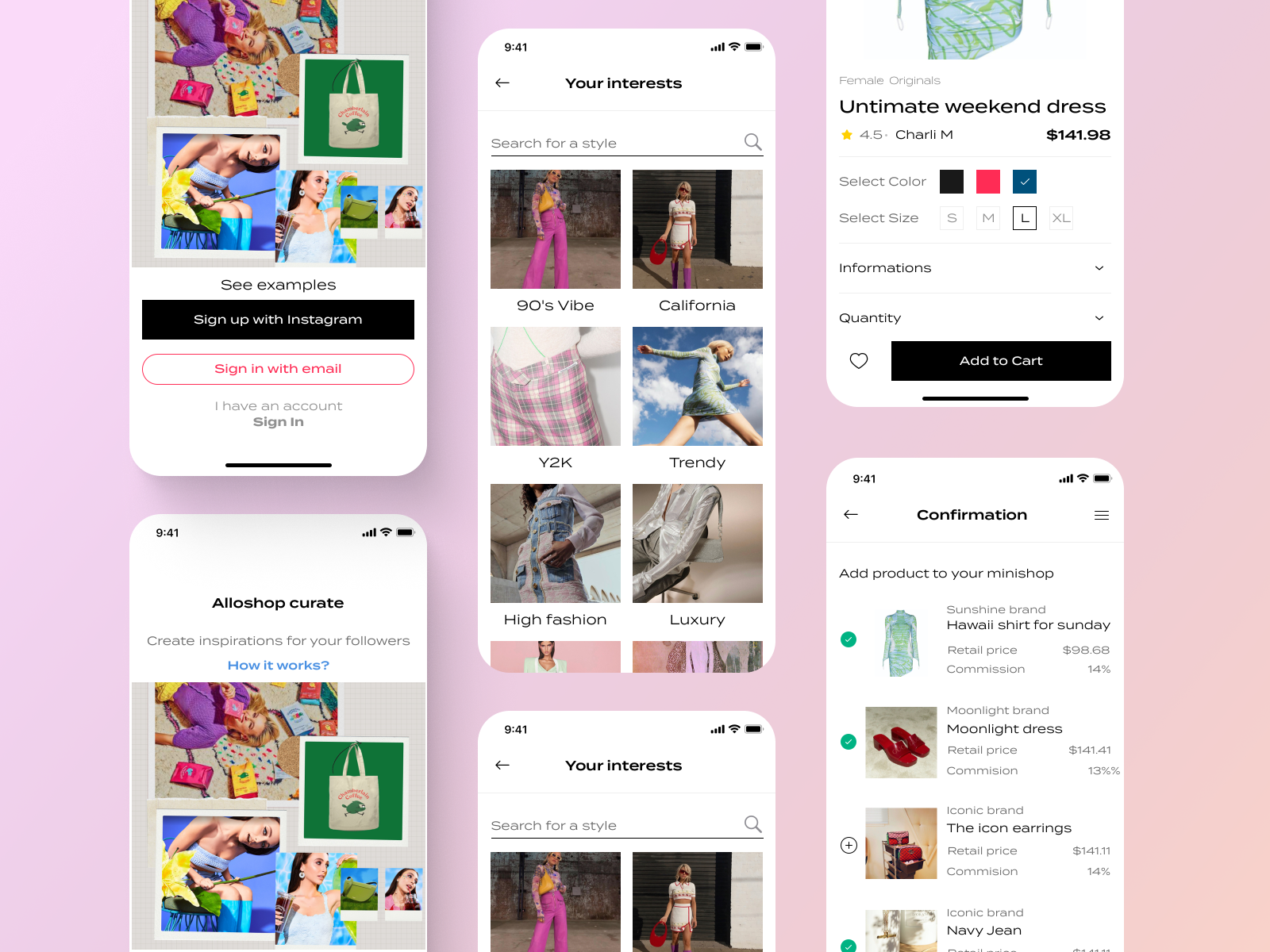
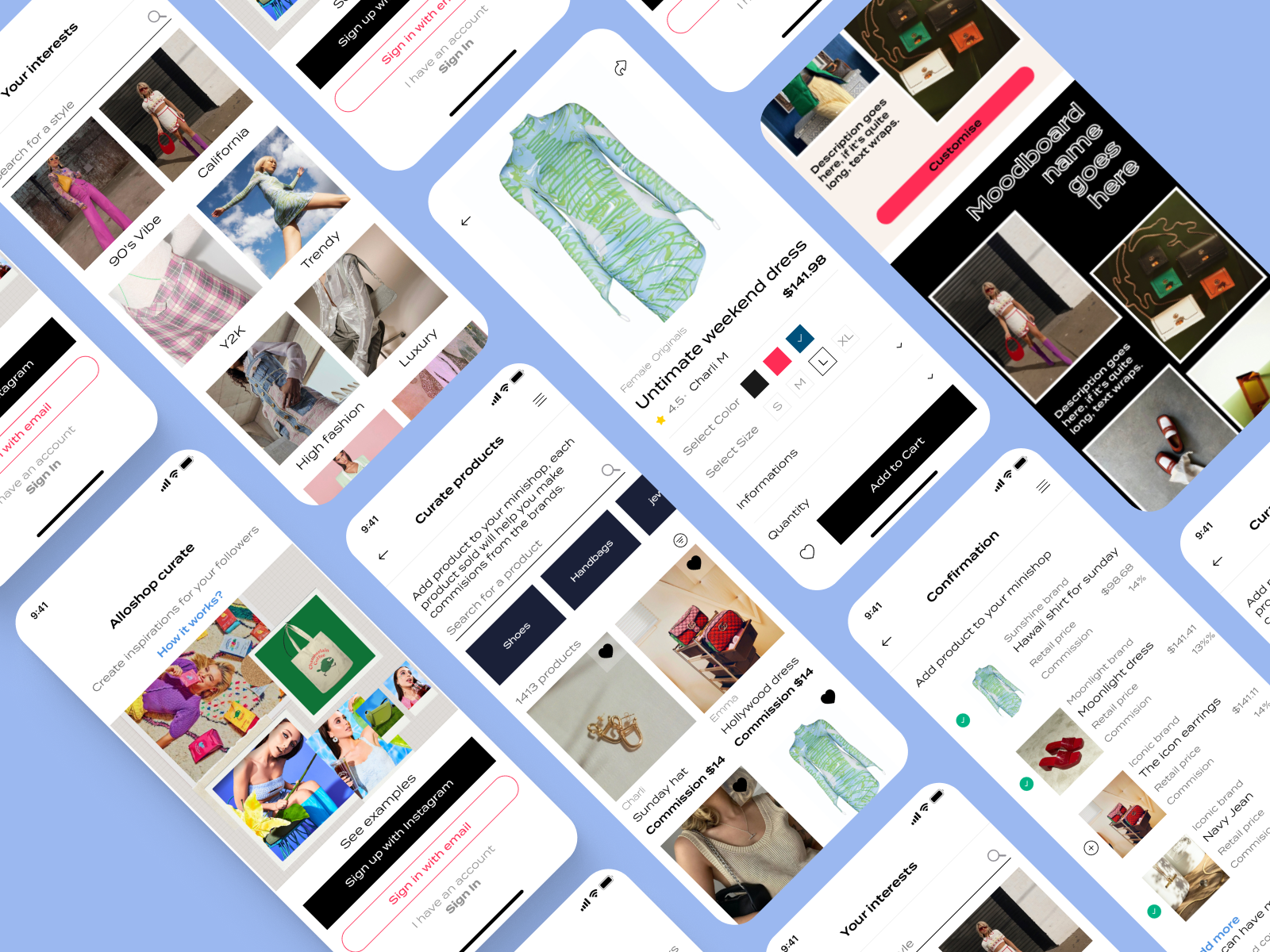
During the interview process, we realised the pain points of the different parties, and decided to pivot and create a tool that solves one of the most common and biggest pain points, which is the liaison with brands and monetisation. Therefore we decided to move forward with a creator tool, where anyone can monetise the style of fashion through connecting with pieces that carries similar style. No matter they are content creator, fashion stylist, models, they can use this tool to curate and publish, and at the end monetise their content.
Phase 5 - Validate the creator tool model
We invited the content creators who had participated in the previous rounds of interviews, and co-created the new tool together through online workshops.
Pivot Through Design Thnking
Using human-centred design and a design thinking approach, we discovered that fashion content creators didn’t just need another live streaming sales channel.
Their biggest pain point was the fragmented journey from creating content to getting paid. The process of promoting products, managing partnerships, and tracking payments was messy and inefficient.
We saw a bigger opportunity within the creator economy:
Build a tool that streamlines the entire promotion-to-payment workflow, enabling creators to focus on content while easily monetising their influence.
This insight shifted our direction — we pivoted to serve content creators first, with a broader service designed around their real needs, rather than a single sales feature.
We reframed the challenge as:
“How might we help reducing admin hours and empower content creators to effectively express their creativity?”
Our next steps:
Concept development – Defined value propositions for creators.
Prototype design – Built interactive concepts showing creator workflows and audience experience.
User testing – Gathered feedback to refine usability and ensure value alignment.
Outcome
The research clarified who to serve (fashion content creators) and what problem to solve (streamlining monetisation from content creation). The validated concept positioned the startup to move forward with confidence in both its target audience and product direction.